by Ramon De La Puerta (Z-Lounge Regenerative Medicine and Stem Cell Therapy Centers)
Imagine you’re a 50-something athlete or busy professional with a nagging knee injury. You’ve heard about stem cell therapy as a cutting-edge way to heal and regenerate. A friend mentions umbilical cord-derived stem cells — cells collected from newborns’ umbilical cords — and how these might be a “fountain of youth” for your joints. It sounds hopeful, maybe even a bit sci-fi. Are these cells safe to use? And how are they different from stem cells taken from your body (like from fat or bone marrow)?
This article will explore mesenchymal stem cells (MSCs) and explain why those derived from the umbilical cord generate so much excitement in regenerative and anti-aging medicine. We’ll examine what MSCs are, what makes umbilical cord MSCs unique, their safety record backed by science, and how they stack up against adipose (fat) and bone marrow-derived stem cells.
What Are Mesenchymal Stem Cells (MSCs)?
Mesenchymal stem cells (MSCs) are often described as the body’s natural repairmen or “building blocks” for healing. They are a type of adult stem cell found in many tissues, initially discovered in bone marrow in the 1970s. Unlike embryonic stem cells (which can form any cell type but come with ethical issues and risk of tumors), MSCs are multipotent: they can differentiate into a limited range of tissues — mainly those from the mesoderm lineage, such as bone, cartilage, and fat cells. In lab studies, MSCs have even shown the ability to turn into other types like neuron-like or heart muscle-like cells, demonstrating remarkable versatility.
One hallmark of MSCs is their self-renewal capacity — they can make copies of themselves while maintaining their stem-like nature. However, not all MSCs are created equal. Their specific capabilities can depend on their source. MSCs reside throughout the body (in bone marrow, fat, muscle, etc.), usually in the perivascular niches (around blood vessels). Think of MSCs as a specialized “toolkit” found in various tissues, ready to be called into action when damage or inflammation occurs.
When your body is injured or inflamed, MSCs are mobilized like paramedics to the site — they home in on signals of distress. Once there, rather than physically rebuilding tissue like tiny bricklayers, MSCs often act more like coordinators or factories: they secrete growth factors, anti-inflammatory molecules, and other signals that stimulate repair, reduce swelling, and recruit other cells to help. In essence, they orchestrate healing and calm down overactive immune responses. This is why MSCs are being explored not just for regenerating tissue (like cartilage in a knee or heart muscle after a heart attack), but also for modulating the immune system in conditions like Rheumatoid Arthritis (RA), Multiple Sclerosis (MS), Lupus (SLE), and other autoimmune conditions.
It’s important to note that MSCs are considered “adult” stem cells (even when they come from a newborn’s cord) — meaning they are not the same as embryonic stem cells. They don’t carry the same ethical concerns, and they don’t form tumors called teratomas. A landmark consensus in 2006 (Dominici et al.) set forth criteria to define MSCs: these cells stick to plastic in lab culture, can become bone, fat, and cartilage in lab tests, and have a specific set of surface markers (proteins) they express. The key takeaway is that MSCs from any source have a lot in common — and their promise in regenerative medicine comes from their ability to stimulate healing and reduce inflammation.
” Why is there so much attention paid to the umbilical cord as a source?”
The Unique Benefits of Umbilical Cord-Derived MSCs
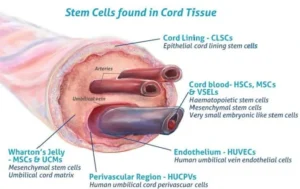
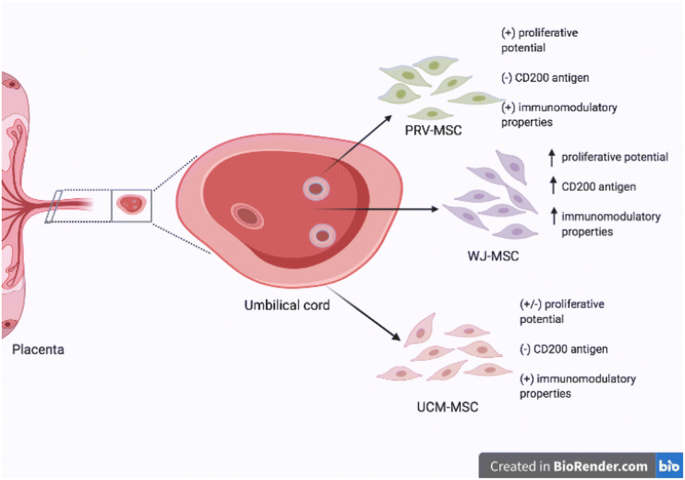
Umbilical cord-derived MSCs (often abbreviated UC-MSCs) come from the Wharton’s jelly of the umbilical cord (the gelatinous tissue in the cord) or sometimes the cord blood. These are obtained after healthy births — essentially recycling a medical resource that would otherwise be discarded. These newborn-derived cells bring some significant advantages due to their youth and origin.
Think of MSCs like a workforce of repair engineers. MSCs from an umbilical cord are like young, energetic interns straight out of training — full of vigor, quick to multiply, and with “fresh” parts. In contrast, MSCs taken from an adult’s bone marrow or fat are more like middle-aged technicians — experienced and still capable, but inherently older and perhaps not as vigorous as their newborn counterparts. Here are a few specific ways UC-MSCs stand out:
- Youthful & High Proliferation: UC-MSCs are biologically very young cells (since they originate from a newborn), which means they have longer telomeres (the “caps” on chromosomes that shorten with age) and can replicate more times before petering out. In cell culture experiments, UC-MSCs can surge in numbers rapidly. One study found UC-MSCs had a population doubling time of around ~24 hours in early passages, whereas adult bone marrow MSCs took around ~40 hours. In practical terms, UC-MSCs grow faster and expand to larger numbers than MSCs from older sources. They also show less cellular aging (senescence) in long-term culture — UC-MSCs continued dividing for many more generations with no signs of growth slowing. At the same time, MSCs from older donors hit their limit sooner. This robustness is a big plus when growing cells for therapy.
- Potent Immunomodulation (Immunoprivileged Status): MSCs generally have a unique ability to avoid triggering a fierce immune rejection. They lack specific cell-surface markers immune cells usually use to identify a cell as “foreign.” Specifically, MSCs do not express HLA-DR and have low levels of the usual MHC class I proteins that invite immune attack. They also don’t have the co-stimulatory molecules (CD80, CD86) needed to activate T-cells. The result? MSCs are often described as immunoprivileged, meaning they can be transplanted from one person to another without immediate rejection. UC-MSCs carry this trait, and some research suggests they might be even more potently immunosuppressive than adult MSCs. For example, one report noted that when primed by inflammatory signals, UC-MSCs suppressed immune responses more strongly than equivalent bone marrow MSCs. In plain terms, UC-MSCs seem exceptionally skilled at calming an overactive immune system — secreting anti-inflammatory factors like PGE2, IL-10, TGF-β, and enzymes like IDO that tame T-cells. This makes them promising for treating autoimmune conditions or inflammation-driven damage.
- “Stealthy” Allogeneic Use: Because of the above immunoprivilege, UC-MSCs from a donor can be given to an unrelated recipient without matching, like we do for organ transplants. They tend to fly under the immune system’s radar — one analogy is that they have an “invisibility cloak” that lets them do repairs in a patient’s body without being attacked as invaders. In a clinical trial context, patients receiving donor UC-MSC infusions did not experience adverse immune reactions; notably, no acute rejection or allergic responses were observed in most studies. (In some cases, patients can develop antibodies to donor MSCs after weeks or months, but these haven’t been linked to serious problems in trials.) The bottom line is that UC-MSCs are considered safe for “off-the-shelf” use — doctors can take cells from a cell bank (donated by someone else’s birth) and give them to you, without needing immunosuppressant drugs.
- High Potency & Function: Beyond growing quickly, UC-MSCs are particularly vigorous in function. Studies comparing MSCs from bone marrow, fat, and umbilical sources find that UC-MSCs migrate more efficiently toward injury signals (e.g., chemicals released by inflamed tissues). In one head-to-head experiment, UC-MSCs showed significantly higher migration toward an inflammation site and proliferation than both adipose- and bone marrow-derived MSCs. Consider UC-MSCs as having great homing instincts — like smart homing pigeons that rush to the site where they’re needed faster than the others. They also produce certain healing factors at high levels. All of this suggests UC-MSCs may pack a stronger therapeutic punch per cell.
- No Invasive Harvest & No Donor Harm: To get UC-MSCs, no one has to undergo a painful procedure. The cells come from a newborn’s umbilical cord, which is normally discarded after birth. Harvesting these cells is painless and risk-free for the baby and mother, essentially recycling medical “waste” into a valuable resource. This starkly contrasts bone marrow MSCs, which require drilling a needle into the hip bone, or adipose MSCs, which involve liposuction. The ease and ethics of collection are major pluses. Umbilical cords are widely available and can be collected, stored, and expanded “en masse” at relatively low cost. There’s no ethical controversy here either — unlike embryonic stem cells, cord MSCs don’t involve destroying an embryo or any harm to a living being. They truly are a win-win resource — good for science and ethically sound.
- “Fresh” Cell Lines: Because UC-MSCs start at the beginning of life, they have experienced minimal environmental toxins, stress, or DNA mutations that accumulate with age. An analogy: if you were repairing a classic car, you might prefer brand-new parts over refurbished older parts. UC-MSCs are as “new” as they get in human cells. They have a pristine genetic and epigenetic profile and a youthful metabolism. This might contribute to observations that UC-MSCs retain differentiation potential nicely — they can turn into bone or cartilage efficiently in lab tests, sometimes even outperforming older MSCs in things like cartilage formation. For example, one comparison found UC-MSCs produced three times more collagen in a cartilage-growing experiment than bone marrow MSCs, hinting at stronger regenerative capacity for certain tissues.
In summary, UC-MSCs are like young all-star players—fast-growing, immune-tolerated, and high-performing. They arrive ready to work without extra baggage from aging or disease. But an important question is: just because they sound great, are they safe when used in real patients?
Safety Profile of Umbilical Cord MSC Therapy
Safety is a top concern for any cell therapy. The good news is that mesenchymal stem cells, including those from umbilical cords, have shown a strong safety record in clinical studies. This is one reason researchers (and patients) are optimistic, and regulators have increasingly permitted trials.
- Clinical Trials and Studies: Around the world, hundreds of clinical trials have been conducted using MSCs from various sources (bone marrow, adipose, umbilical, etc.) for various conditions — from heart failure to arthritis to autoimmune diseases. Reviews of these trials consistently find that MSC therapy is well-tolerated and safe in most cases. For example, a comprehensive review of MSC trials noted that in most cases treatment was “efficient and promising in terms of safety,” with infusions being well tolerated. Unlike some experimental treatments, there haven’t been reports of serious immune reactions or toxicities directly attributed to the cells in these studies.
- No Tumor Formation: A common safety question is, “Could these stem cells overgrow or cause tumors?” For MSCs, the answer so far has been reassuring. MSCs do not form teratomas (tumors that can arise from pluripotent stem cells) because MSCs are not pluripotent in that uncontrolled way. They also tend not to permanently engraft in the body or mutate into cancerous cells. Long-term follow-ups in trials have not found higher cancer incidence in MSC-treated patients. In a year-long follow-up of heart failure patients who received UC-MSCs, there was no increase in adverse events like malignancies or arrhythmias compared to placebo. Similarly, other studies have monitored for abnormalities and found none attributable to the cells.
- Immune Safety: As mentioned, MSCs are usually immunoprivileged. In a groundbreaking randomized trial in 30 heart failure patients (the RIMECARD trial), patients received IV infusions of UC-MSCs from unrelated donors. The result was: safe with no adverse immune reactions and no formation of donor-specific antibodies of any clinical significance. The researchers reported no adverse effects related to the therapy. This finding — no infusion reactions, allergic responses, or graft-versus-host type problems — has been echoed in many other trials. For instance, trials using UC-MSCs for stroke, for diabetes, and even for COVID-19 acute respiratory distress have primarily reported safety (with only minor, transient side effects in some cases, like fever or headache). The absence of acute immune rejection is a huge relief when using someone else’s cells.
- Mild, Transient Side Effects: Some mild side effects have been noted. Commonly, when MSCs are given intravenously, a patient might experience a brief fever or chills afterwards — likely due to the immune system reacting mildly to the product (similar to how one might feel achy after a flu shot). These reactions are typically short-lived and resolve on their own. In the case of joint injections of MSCs (for arthritis), patients sometimes have temporary localized pain or swelling in the joint after the injection. For example, in a study using UC-MSCs for knee osteoarthritis, some patients (about 35%) had mild knee swelling or soreness for a few days, but no serious adverse events occurred. Even when relatively high doses of cells were injected into knees, the side effects were limited to transient swelling, with no lasting ill effect.
- Enthusiastic Early Findings: Because safety has been consistently demonstrated, scientists have been able to progress trials to test efficacy. Many of these trials are still early-phase, but they bring encouraging news. In that heart failure trial (UC-MSC IV infusions), there were no safety issues, but patients showed significant improvements in heart function (their hearts pumped blood better) and quality of life over the following year. In an aging frailty trial, older adults given UC-MSC infusions had no increase in adverse events compared to placebo, and improved their walking speed, muscle strength, and inflammatory markers over 6 months. In an osteoarthritis study, repeated UC-MSC knee injections improved pain and function scores with only mild transient side effects. These outcomes bolster the safety profile with a nice side of efficacy.
- Regulatory Approvals: The safety of MSCs has been compelling enough that a few therapies have gained approval in certain countries. For instance, an MSC therapy derived from bone marrow was approved in Canada and Japan for treatment of severe graft-versus-host disease in children, after studies showed it could tame that condition safely. While those products were bone marrow-derived, the same principle extends to UC-derived cells, and similar products are in the pipeline globally. It’s telling that regulators have viewed the risk as low in life-threatening conditions where MSCs have been tried.
In summary, the safety profile of umbilical cord MSCs is excellent so far. They act in a supportive, medicinal manner and then typically disappear from the body within a few months (studies suggest MSCs don’t permanently engraft long-term). This transient presence might be a safety feature — they do their job and then your body naturally clears them. Real-world clinics have already treated thousands of patients with MSCs (in countries where it’s allowed), reporting only minimal side effects. Of course, it’s important to have this therapy done by reputable providers with proper cell handling, as product quality matters. But the science to date is very optimistic: UC-MSCs are about as safe as any biologic therapy could be, with far fewer side effects than many drugs people take routinely.
Now that we know they’re safe and potent, let’s answer the other big question: how do umbilical cord cells compare to stem cells from adipose (fat) or bone marrow — which some doctors may harvest from your body?
Umbilical vs. Adipose vs. Bone Marrow MSCs: How Do They Compare?
MSCs can be obtained from multiple sources in the body. The most common sources you’ll hear about in therapy are:
- Bone Marrow-Derived MSCs (BM-MSCs): Stem cells taken from the spongy marrow inside bones (often the hip bone).
- Adipose (Fat)-Derived MSCs (AD-MSCs or ASCs): Stem cells taken from fatty tissue, usually via liposuction.
- Umbilical Cord-Derived MSCs (UC-MSCs): Stem cells from donated umbilical cords (Wharton’s jelly) after birth.
All three are MSCs with similar fundamental properties, but there are key differences in their availability and performance. Here’s a breakdown, point by point:
1. Harvesting Procedure: The way these cells are collected is a major differentiator.
- Bone Marrow: Typically requires an invasive procedure — a doctor uses a needle to aspirate marrow from your hip (iliac crest) or sometimes other bones. This is done with local anesthesia or light sedation. While routine, it can be painful and carries a small risk of infection or bleeding. It also yields a limited volume of marrow per aspiration. So getting a lot of MSCs might require drilling into multiple spots. For many patients, the idea of a bone marrow draw is a bit intimidating.
- Adipose (Fat): Obtained via liposuction (often from the abdomen or love-handle area). Liposuction is a minimally invasive surgery — usually done under local anesthesia; a cannula (tube) is inserted to suck out fat tissue. It’s less painful than bone marrow harvest for most, and you can get a larger quantity of starting material (many cubic centimeters of fat). The procedure is familiar to cosmetic medicine, which makes people slightly more comfortable, but it still involves some recovery (soreness or bruising at the lipo site).
- Umbilical Cord: Obtained non-invasively — the cord is collected after a baby is born (with consent). For the patient receiving UC-MSC therapy, there is no procedure at all — the cells are expanded in a lab from a donor tissue and delivered ready-to-use. So, if you’re the patient, you avoid any surgical collection. This is a huge plus for those who are not good candidates for minor surgery or simply prefer not to undergo an invasive harvest. It’s as easy as getting a bag of cells off the shelf.
2. Cell Yield and Expansion: This refers to the number of MSCs you can get from each source, either directly or after growing them in the lab.
- Bone Marrow: Contains MSCs at a relatively low frequency. Only a tiny fraction of cells in marrow aspirate are MSCs (most are blood cells, etc.). The MSC frequency in bone marrow is often quoted on the order of ~1 in 10,000 to 1 in 100,000 cells. This means a bone marrow draw might only have thousands of MSCs initially. To get a therapeutic dose (often millions of cells), bone marrow MSCs usually need to be cultured and expanded in a lab for a few weeks. Expansion is feasible (MSCs were first characterized from bone marrow, after all), but remember that MSCs from an older individual proliferate slowly and lose potency with age and comorbidities. Studies confirm that as donors age, their bone marrow MSCs show reduced growth and differentiation capacity. So an older patient’s cells are not only fewer to start with, but also don’t expand as robustly.
- Adipose: Fat contains a rich reservoir of MSCs in something called the stromal vascular fraction (SVF) of lipoaspirate. When fat is processed (enzymatically digested), you can get a pellet of cells that includes MSCs in a much higher proportion than in bone marrow. Many physicians can use this SVF directly (as a same-day procedure) — it will contain millions of MSCs and other supportive cells. Even without extensive expansion, adipose gives a pretty high yield of stem cells. If needed, those cells can also be culture-expanded to higher numbers. Adipose MSCs from a middle-aged adult proliferate faster than bone marrow MSCs from the same person. One comparison found adipose MSC doubling time ~45 hours vs bone marrow’s 61 hours in similar conditions. So, fat is a convenient and abundant source — one reason many orthopedic doctors have gravitated to using fat-derived cells for injections. (Bonus: lots of us have some extra fat to spare, making the idea of “medicinal liposuction” somewhat appealing!).
- Umbilical Cord: A single umbilical cord can yield tens of millions of MSCs after expansion, thanks to the cells’ youthful proliferative capacity. The cord tissue is initially chopped up or enzymatically treated to release the MSCs, which are then grown in flasks. UC-MSCs expand vigorously (remember, ~24-hour doubling time in early passages). A cell bank can be created from one cord to dose many patients. The key here is that UC-MSCs are typically allogeneic (from a donor) and are already expanded to a therapeutic dose by the time you get them. So you, as the patient, are not limited by how many cells your own tissue can provide — you can essentially get an “off-the-shelf” high dose. This is especially beneficial for conditions where higher cell numbers might yield better outcomes, or for older patients who might not get as many functional cells from their own marrow/fat.
3. Cell Potency and Characteristics: Not all MSCs behave identically. There are subtle differences in their biologic profile:
- Bone Marrow MSCs: These have been the gold standard historically and are well-studied. They have a strong capability to differentiate into bone and cartilage (hence their use in orthopedic research), and they secrete a host of growth factors that aid tissue repair. However, bone marrow MSCs from older patients can be a bit “tired” — their telomeres are shorter, and they may have accumulated DNA damage or epigenetic changes over decades. They also often show earlier signs of senescence in culture. Functionally, this might mean they don’t suppress inflammation quite as effectively as younger cells and don’t proliferate as much once reintroduced into the body. Another consideration: a bone marrow aspirate usually contains other cells (hematopoietic stem cells, immune cells, etc.). Some treatments use bone marrow concentrate (BMAC) directly (including MSCs and other cells). While BMAC can be useful (e.g., its extra platelets and factors can help healing), it’s not a pure MSC product. So results can vary based on the composition of one’s marrow.
- Adipose MSCs: Adipose-derived MSCs are generally potent in immunomodulation and angiogenesis (formation of new blood vessels). Fat tissue MSCs naturally exist in a somewhat inflammatory environment (consider how fat in obesity can cause inflammation — those MSCs are adapted to that). Some studies suggest adipose MSCs secrete even higher levels of certain growth factors that help blood vessel growth and wound healing. This could be advantageous for things like repairing tissues with poor blood supply. On the flip side, if one has an underlying condition (say, autoimmune disease or metabolic syndrome), their adipose MSCs might be “programmed” by that environment in ways we don’t fully understand. There’s ongoing debate and research: are adipose MSCs inherently a bit different in function from bone marrow MSCs? Some differences in gene expression have been noted, but both types are quite capable. One practical difference: adipose MSCs are usually used autologously (your own fat), so they carry no risk of immune rejection either — but if you have an autoimmune disease, there’s speculation (not proven) that your own MSCs might share some of the dysfunctions of your immune system. That is partly why some clinics, like those run by Dr. Neil Riordan, transitioned from using patients’ fat cells to umbilical cord cells — they found the cord cells more consistently effective in those cases, perhaps because of their naive immunology.
- Umbilical Cord MSCs: As detailed, these are high-octane MSCs — proliferative, youthful, and with a strong secretome (secreted cocktail of healing molecules). For example, they tend to have higher expression of immunosuppressive factors like IL-10 and HLA-G than adult MSCs. Practically, this may mean UC-MSCs are especially good at calming down inflammatory immune attacks (think rheumatoid arthritis flares, or the cytokine storm in severe COVID). UC-MSCs have also shown a greater propensity to differentiate into certain tissues in research. For instance, one study noted that UC-MSCs produced more collagen and cartilage matrix than adult MSCs, making them promising for cartilage repair. Another lab study found UC-MSCs could continue dividing even when they touched each other (multi-layer growth), whereas bone marrow MSCs would stop growing (“contact inhibition”). This suggests UC cells could potentially fill injuries more effectively. In short, UC-MSCs have a biological youth advantage — they’re quick responders and vigorous actors. The tradeoff is they are allogeneic (not your own), though, as we discussed, that doesn’t seem to cause issues due to their immune stealth.
4. Use Cases & Practical Considerations: Depending on the condition being treated, one source might be preferred over another:
- For Autologous Therapy Preference: If someone wants to use their own cells (say they are uneasy about donor cells), then adipose or bone marrow MSCs are the choice. Autologous bone marrow MSCs have a long track record in orthopedics (for bone healing, tendon repair, etc.) and in certain cardiac trials. Adipose MSCs are also popular for orthopedic and some cosmetic/regenerative applications. In the U.S., current regulations allow same-day autologous cell procedures (minimal manipulation) but not expanded allogeneic cells without special FDA authorization. So, some patients may opt for bone marrow or fat cells simply due to regulatory availability in their location.
- For Maximal Potency/No Harvest: If the goal is to get the most potent cells without an invasive harvest, UC-MSCs shine. This is why international clinics and many trials use UC-derived cells. For example, in treating neurological conditions like multiple sclerosis or spinal cord injury, some clinics prefer UC-MSCs because patients often cannot easily undergo a harvest procedure, and they may need repeated high doses of cells. The UC-MSCs can be ready in an IV bag and given periodically.
- For Orthopedic Injuries: All three sources have been used. Sports medicine doctors have used bone marrow concentrate (BMAC) for decades to help heal ligament injuries or arthritis. Adipose SVF has also been injected into joints with positive outcomes reported. Umbilical cord MSCs, being off-the-shelf, have the appeal of not requiring a procedure; they have been injected in knees and shown to improve osteoarthritis symptoms and even MRI findings of cartilage in some studies. One interesting strategy some practitioners use is a combination: they might inject a patient’s own bone marrow concentrate (to get some immediate growth factors and support) along with allogeneic UC-MSCs (to add the potent MSCs). This hybrid approach is still being refined, but it underscores that it’s not necessarily an either-or; each can complement the other.
- Regulatory Note: It’s worth noting that, as of 2025, umbilical cord MSC products are not yet widely approved by the FDA in the United States, which is why many people considering UC-MSC therapy travel to specialized clinics (in Mexico, Panama, etc., or through clinical trials). Adipose and bone marrow cell treatments are often done as part of medical practice (autologous use). This article isn’t about the regulatory aspect, but one should ensure any stem cell treatment is done under proper protocols and ethical standards.
Simply put, bone marrow MSCs are the old reliable workhorse, adipose MSCs are the abundant and accessible option, and umbilical cord MSCs are the young rising stars of the regenerative world. Depending on your situation — e.g., your age, health status, condition being treated, and access — a doctor might recommend one over the other. Many experts in regenerative medicine, like Neil Riordan, PhD, are enthusiastic about UC-MSCs because they check so many boxes: no harm to donor, high potency, immune-privileged, and available in large numbers. But it’s also encouraging that your own MSCs have healing abilities — sometimes just concentrating your own marrow or fat and re-injecting it can harness those abilities quite well for certain orthopedic problems.
Common Uses and Conditions for MSC Therapy
MSC therapy — whether from umbilical cord, adipose, or bone marrow — is being investigated (and in some cases, actively used) for various medical conditions. Here are some of the common uses and applications where MSCs are showing promise, especially focusing on UC-MSCs:
- Orthopedic and Sports Injuries: This is one of the most popular realms. People with osteoarthritis (degenerative joint disease) in the knees, hips, shoulders, etc., have received MSC injections to help repair cartilage and reduce inflammation. Clinical studies have found that MSC injections can reduce pain and improve function in knee arthritis. For example, middle-aged athletes with chronic knee pain have reported getting back to activities after stem cell therapy that might have otherwise required joint replacement down the line. MSCs have also been used for difficult-to-heal injuries like torn tendons or ligaments (e.g., rotator cuff tears, Achilles tendon injuries). In these cases, MSCs may accelerate healing and improve tissue quality — one study in rats showed UC-MSCs formed stronger tendon-like tissue than bone marrow cells. Professional athletes have traveled to get stem cell treatments for things like tennis elbow, knee meniscus tears, and more, seeking to prolong their careers.
- Autoimmune and Inflammatory Conditions: Because MSCs can dial down an overactive immune system, they are being used to treat autoimmune diseases. Multiple Sclerosis (MS), for instance, is an autoimmune attack on the nervous system — early compassionate-use treatments with MSCs have suggested improvements in symptoms and halting progression. MSCs won’t cure MS, but patients have reported better muscle control and less fatigue after treatments. Other conditions like Rheumatoid Arthritis, Lupus, Sjögren’s syndrome, and Crohn’s Disease have been targets of MSC therapy. In Crohn’s (an inflammatory bowel disease), MSCs (particularly from adipose) have shown such good results in healing fistulas that an adipose MSC product was approved in Europe for that use. For Rheumatoid Arthritis, trials using UC-MSCs and standard meds found that disease activity decreased more than meds alone, suggesting an additive benefit. The beauty is that MSCs address the underlying inflammation without the side effects of immunosuppressant drugs (like steroids or biologics). They act as a natural “reset” button for a haywire immune system, promoting balance.
- Neurological Conditions: This is a frontier area, but one filled with hope. MSCs are being infused intravenously or even injected intrathecally (into spinal fluid) for diseases like Spinal Cord Injury, Stroke, Traumatic Brain Injury, Parkinson’s, and ALS. For spinal cord injury, some patients who were wheelchair-bound have shown improvements in sensation or motor function after repeated MSC treatments. In stroke, MSCs may help brain tissue heal by reducing inflammation and scar formation. A phase II trial in ischemic stroke showed improved recovery in patients treated with MSCs versus placebo. Autism and other neurodevelopmental disorders are also being explored — some preliminary reports suggest MSC infusions can reduce inflammatory markers and improve some behavioral metrics in autistic children. The central nervous system was long thought to be irreparable, but MSCs offer a new tool to potentially induce brain repair or at least protect neurons from further damage.
- Cardiac and Vascular Diseases: We saw earlier the example of Heart Failure — patients with dilated cardiomyopathy (weak heart muscle) have had improved heart function after UC-MSC infusions. The stem cells likely help by promoting new blood vessel growth in the heart and secreting factors that help the heart muscle cells recover. There’s also research on using MSCs after heart attacks to prevent the usual remodeling that leads to heart failure. Additionally, MSCs have been tested for critical limb ischemia (poor circulation in legs that can lead to amputations). Studies have seen enhanced blood flow and wound healing by injecting MSCs into the limbs, reducing the need for amputation. The pro-angiogenic (blood vessel forming) effect of MSCs is key here — they release VEGF and other growth factors that tell the body to grow new vessels.
- Lung and Kidney Diseases: Chronic lung diseases like COPD (emphysema) and pulmonary fibrosis have few options, but MSCs’ anti-inflammatory powers are being tried to slow these diseases. Early trials in COPD showed that MSC infusions were safe and led to some improvements in lung function and quality of life. During the height of the COVID-19 pandemic, MSCs were given to patients with severe ARDS (acute respiratory distress) — many reports suggested that MSCs could dramatically reduce lung inflammation and improve oxygenation. A meta-analysis of several small COVID-MSC trials indicated a higher survival rate in MSC-treated patients compared to controls, and there were no safety issues, which is remarkable given how sick those patients were. MSCs have been tested for kidney disease in conditions like lupus nephritis and diabetic kidney disease to curb inflammation and support tissue repair, with some promising signals (e.g., improved kidney function or proteinuria in treated patients).
- Anti-Aging and Frailty: Beyond specific diseases, there’s growing interest in MSCs for general regenerative and anti-aging purposes. The “frailty” trial mentioned earlier targeted older adults with age-related decline — the results showed better physical performance and lower inflammation after UC-MSC treatment. Some have called MSCs a potential “fountain of youth” therapy — not to make anyone immortal, but to restore a healthier immune profile and tissue function generally. Upper-middle-class executives, for instance, have pursued MSC therapy to maintain their health and energy, much like an advanced form of biohacking. While this area needs more research, the concept is that MSCs could help rejuvenate older organs by creating a more regenerative environment. It’s quite poetic that cells from the birth of life (umbilical cords) might help revitalize us later in life.
- Wound Healing and Dermatology: MSCs can promote wound healing, so they have been applied to chronic wounds like diabetic foot ulcers and radiation burns. In some cases, MSC treatments have saved limbs by healing ulcers that refused to heal with standard care. In dermatology, MSCs are incorporated into anti-aging skin treatments (some high-end facial rejuvenation therapies use MSC-derived exosomes to refresh skin). There’s also research on hair growth — since MSCs release growth factors, they might stimulate hair follicles (some clinics are already injecting MSC factors for hair loss, though this is experimental).
- Others: The list goes on — MSCs have been or are being studied in liver cirrhosis, spinal disc degeneration, erectile dysfunction, corneal diseases, and more. Essentially, any condition that involves tissue damage, inflammation, or immune imbalance could be a candidate for MSC therapy. They are not a magic bullet; results vary, and often they are used in conjunction with other treatments. But their broad mechanism — supporting the body’s own repair and calming harmful inflammation — makes them broadly applicable.
It’s an exciting time because new studies come out each year, expanding the realm of what MSCs (especially UC-MSCs) can do. For the reader considering therapy: this field is moving fast, and treatments that seemed like science fiction a decade ago are now tangible. Real people — athletes, business owners, retirees — receive these therapies and often share compelling stories of recovery. We must balance optimism with realism (not every treatment leads to a miraculous cure, and some results are modest), but it’s hard not to be enthusiastic about regenerative medicine’s direction.
Conclusion: A Bright Future for Regenerative Medicine
Umbilical cord-derived mesenchymal stem cells offer a remarkable combination: the vitality of youth with the wisdom of a skilled repairman. They differ mainly from adipose and bone marrow stem cells in their youthful behavior and ease of use, yet all these MSC types share the goal of helping the body heal itself. Importantly, the safety data amassed so far should give confidence — these cells, when used properly, are safe and well-tolerated, without the scary side effects one might fear when they hear “stem cells.”
For individuals who want to stay active and healthy into their later years — whether that means running your business with sharp focus, competing in Masters athletics, or simply keeping up with your kids (or grandkids) on weekend hikes — regenerative therapies like MSCs could play a supporting role. It’s like having a biological repair crew on call. Got an injury? Send in the MSCs to orchestrate the fix. Facing chronic wear-and-tear? MSCs might help rejuvenate or at least maintain what you’ve got.
We are still learning the best ways to use these cells, and not every condition will respond dramatically. But the trajectory of the science is clear. As techniques refine, we may see cell therapies becoming a mainstream option for conditions that today rely on pain meds or invasive surgeries.
Neil Riordan, to whom we’ve alluded, often emphasizes a message of hope and scientific curiosity. In a Riordan-esque tone, one might say: We stand at the frontier of a new era in medicine, where the scars of time and injury can be softened by the gifts nature provided at the beginning of life. The umbilical cord, a symbol of new beginnings, may hold keys to restoring health in later chapters of our lives.
If you’re considering therapy, arm yourself with knowledge, consult with experienced physicians, and weigh your options. MSC treatments, especially those from umbilical cords, are bridging the gap between science and medicine, offering treatments rooted in solid biology yet feel almost miraculous in their ability to harness the body’s healing powers. It’s an optimistic story, and it’s only just beginning.
Let’s Stay Connected!
If you found this article helpful and want to learn more about regenerative medicine, stem cell therapy, and biohacking for longevity, follow me across platforms:
Website: www.zlounge.com.mx
Instagram: https://tinyurl.com/Z-Lounge-IG
Facebook: https://tinyurl.com/Z-Lounge-FB
YouTube: https://tinyurl.com/Z-Lounge-YT
LinkedIn: https://tinyurl.com/Z-Lounge-Linkedin
Subscribe on Medium to get notified when I publish new content written to empower your health journey.
References:
Brown, C., McKee, C., Bakshi, S., et al. (2019). Mesenchymal stem cells: cell therapy and regeneration potential. Journal of Tissue Engineering and Regenerative Medicine, 13(9), 1738–1755. DOI: 10.1002/term.2914 pmc.ncbi.nlm.nih.gov
Bartolucci, J., Verdugo, F. J., González, P. L., et al. (2017). Safety and efficacy of the intravenous infusion of umbilical cord mesenchymal stem cells in patients with heart failure: a phase 1/2 randomized controlled trial. Circulation Research, 121(10), 1192–1204. DOI: 10.1161/CIRCRESAHA.117.310712 pmc.ncbi.nlm.nih.gov, sciencedaily.com
Nagamura-Inoue, T., & He, H. (2014). Umbilical cord-derived mesenchymal stem cells: Their advantages and potential clinical utility. World Journal of Stem Cells, 6(2), 195–202. DOI: 10.4252/wjsc.v6.i2.195 wjgnet.com, wjgnet.com
Ao, Y., Duan, J., Xiong, N., et al. (2023). Repeated intra-articular injections of umbilical cord-derived mesenchymal stem cells for knee osteoarthritis: a phase I, single-arm study. BMC Musculoskeletal Disorders, 24(1), 488. DOI: 10.1186/s12891–023–06555-y bmcmusculoskeletdisord.biomedcentral.com, bmcmusculoskeletdisord.biomedcentral.com
Zhu, Y., Zhang, Q., Yang, Y., et al. (2024). Safety and efficacy of umbilical cord tissue-derived mesenchymal stem cells in treating patients with aging frailty: a phase I/II randomized, double-blind, placebo-controlled study. Stem Cell Research & Therapy, 15(1), 122. DOI: 10.1186/s13287–024–03707–2 stemcellres.biomedcentral.com
Hori, A., Takahashi, A., Miharu, Y., et al. (2024). Superior migration ability of umbilical cord-derived mesenchymal stromal cells toward activated lymphocytes in comparison with those of bone marrow and adipose-derived MSCs. Frontiers in Cell and Developmental Biology, 12, Article 1329218. DOI: 10.3389/fcell.2024.1329218 frontiersin.org, frontiersin.org
Hass, R., Kasper, C., Böhm, S., & Jacobs, R. (2011). Different populations and sources of human mesenchymal stem cells (MSC): A comparison of adult and neonatal tissue-derived MSC. Cell Communication and Signaling, 9(12), 12. DOI: 10.1186/1478–811X-9–12 pmc.ncbi.nlm.nih.gov, pmc.ncbi.nlm.nih.gov
Gelbard, A., Atallah, R., & Riordan, N. H. (2022). Intravenous allogeneic mesenchymal stem cells for aging frailty and other inflammatory conditions. Clinical and Translational Medicine, 12(8), e944. DOI: 10.1002/ctm2.944 stemcellres.biomedcentral.com