
by Ramon De La Puerta (Z-Lounge Regenerative Medicine and Stem Cell Therapy Centers)
Stem cell therapy, especially using umbilical cord-derived mesenchymal stem cells (UC-MSCs), is an exciting frontier in regenerative medicine. But as with any medical treatment, patients naturally worry about safety: What are the side effects? Are there serious risks? In this article, we’ll explain precisely what UC-MSCs are, differentiate between mild side effects and actual adverse events, and look at short-term and long-term safety data. We’ll also explore factors that influence risk, like the source of cells and the quality of processing, and compare UC-MSCs to other stem cell sources in terms of safety and ethics. Along the way, we’ll share real patient stories to illustrate how stem cell therapy is experienced in practice. Finally, we’ll discuss how reputable clinics manage risks and offer practical advice for those considering UC-MSC therapy.

Understanding Umbilical Cord-Derived MSCs (UC-MSCs)
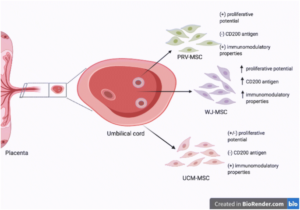
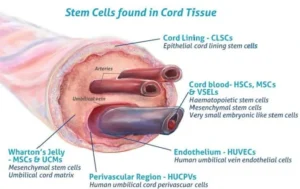
Umbilical cord-derived mesenchymal stem cells (UC-MSCs) are a type of adult stem cell harvested from the Wharton’s jelly of newborns’ umbilical cords. These cords are typically discarded after birth, but with parental consent, they can be donated to collect valuable stem cells. Because the donation happens post-birth and does not harm the baby or mother, UC-MSCs come with no ethical controversy — unlike embryonic stem cells, which involve the destruction of an embryo. Using birth tissues like umbilical cords is widely seen as ethically sound and resourceful, turning medical waste into a therapeutic tool.
What makes UC-MSCs special? They belong to the mesenchymal stem/stromal cell family, meaning they can self-renew and differentiate into various cell types (bone, cartilage, fat, and more). They also secrete growth factors and immune-modulating substances that help repair tissue and reduce inflammation. Notably, UC-MSCs are “immune privileged” or immune-evasive, meaning they provoke little immune reaction when given to a different person. These cells lack specific surface markers that normally trigger rejection; they even release anti-inflammatory signals that calm the immune system. This property allows UC-MSC therapy to often use cells from a donor (allogeneic) without matching tissue types as we would for organ transplants.
Researchers have capitalized on this by creating off-the-shelf cell therapy products from donated cords. The cells are isolated in a laboratory, thoroughly screened for infectious diseases and genetic abnormalities, and expanded (multiplied) under strict quality-controlled conditions. The result is a batch of potent young MSCs that can be cryopreserved and later thawed for treatment. Because UC-MSCs come from newborn tissue, they are biologically “young” and vigorous cells, with a high capacity to grow and do their repair work. Studies have found that stem cells from older sources (like an elderly patient’s own bone marrow or fat) may have diminished expansion and differentiation potential. UC-MSCs, in contrast, being from a neonatal source, tend to be very robust.
In summary, UC-MSCs are sourced from donated umbilical cords in a safe and ethically straightforward process for the donor. They are prepared in labs to ensure they are pure, viable, and safe. Their innate low immunogenicity means they can often be used in patients without triggering a strong immune rejection. These characteristics form the basis of why UC-MSC therapy has a promising safety profile, but to fully appreciate safety, we need to distinguish typical side effects from actual adverse events.
Side Effects vs. Adverse Events: What’s the Difference?
Before discussing specific risks, it’s important to clarify terminology. “Side effect” and “adverse event” are often used interchangeably in everyday conversation, but medically they have distinct meanings.
- Side effects are typically considered known, expected, or minor effects that occur because of a treatment. They are usually undesired but often predictable. Think of them as the secondary effects of therapy — for example, slight fatigue the day after a stem cell infusion could be a side effect. Side effects tend to be temporary and often resolve on their own without treatment. In fact, during clinical trials, researchers proactively look for common side effects and track them. If a patient is warned that they might experience a mild fever or headache after receiving stem cells, those would fall under side effects. They are a part of the therapy’s overall effect profile but are not the primary intended outcome.
- Adverse events, on the other hand, cover a broader range. An adverse event is any negative medical occurrence in a patient who has received therapy, whether believed to be caused by it. This could be something expected or completely unexpected, mild or severe. In clinical trial reporting, if a patient experiences chest pains a week after treatment, it’s logged as an adverse event, even if it turns out unrelated (say, due to an unrelated heart issue). Generally, the term implies a potentially harmful or unintended outcome. Some adverse events are serious and demand intervention — these would be things like severe allergic reactions, serious infections, or organ damage. In contrast to side effects, actual adverse events are never desirable and may require medical action. An easy way to distinguish: if a reaction is mild and expected (and often self-limiting), we call it a side effect; if it’s significant enough to cause concern or intervention, it’s an adverse event. All side effects are technically adverse events, but not all adverse events are anticipated side effects.
In the context of stem cell therapy, you might hear doctors talk about “no serious adverse events” in a study, meaning nothing dangerous or unexpected happened. However, patients might still have had minor side effects like low-grade fever or injection site soreness. Understanding this difference helps patients interpret the safety data correctly.
Common Short-Term Side Effects of Stem Cell Therapy
Most patients receiving stem cell therapy report mild, short-term side effects, if any. A broad look at clinical trials using mesenchymal stem cells (from various sources) shows an encouraging safety trend. A comprehensive 2012 systematic review analyzed data from 36 clinical trials of MSC therapies and found no significant association between MSC treatment and acute toxic reactions or organ system complications. In plain language, patients did about as well as those who didn’t get the cells when it came to serious infections, heart, lung, liver problems, etc. Mortality was not increased — in some studies, fewer deaths occurred in the MSC-treated groups than in controls — and crucially, there was no evidence of infused MSCs causing cancers or tumors in the follow-up period of those trials. This aligns with many smaller studies and the accumulated experience of doctors: short-term side effects tend to be minor and transient.
What are those side effects? The most commonly reported issue is a transient fever or mild flu-like symptoms shortly after an MSC infusion. For instance, some patients might feel warm, fatigued, or achy for a day or two. This is thought to be related to the immune system responding to the infusion — not an outright rejection, but a brief activation of the immune response. In the meta-analysis mentioned above, MSC therapy was significantly associated only with a higher chance of a mild fever (often termed “transient fever”), which generally resolved on its own. No other severe symptoms stood out.
When stem cells are injected locally (for example, into a knee joint for arthritis), the side effects also tend to be localized. A 2021 systematic review of umbilical cord MSC injections for knee osteoarthritis found that the therapy was overall very safe. The most common side effect in those cases was temporary localized pain or swelling of the knee (effusion) after the injection, which spontaneously resolved without intervention. Essentially, some patients had a bit of inflammation in the joint from the injection process or the cells’ activity, resulting in swelling that went down on its own over days to weeks. No long-term joint problems were seen. In that review, across multiple studies, no serious adverse effects were reported in the treated patients.
Other short-term side effects reported by patients receiving UC-MSCs (either by IV infusion or injection) include:
- Injection site soreness or redness (if given via intramuscular or subcutaneous injection). This is like getting any shot.
- Headache or mild nausea occasionally after intravenous infusions. This could be due to the infusion itself or the small amount of the preservative (like DMSO) if the cells were frozen — reputable clinics mitigate this by washing cells to remove such preservatives.
- Fatigue may last for a day or two as the body processes the new cells and adjusts. Some liken it to how you feel after a minor cold or after vigorous activity.
- Very rarely does a mild allergic-type reaction (such as a rash or itchiness) occur if a patient reacts to something in the solution. This is uncommon because the cells are usually washed and in simple saline. Still, it’s possible if a patient is sensitive to dimethyl sulfoxide (DMSO) used in cell preservation. Clinics often monitor this and can give antihistamines if needed.
It’s worth noting that the dose of cells might influence side effects. Higher cell doses in one study were linked to slightly more occurrences of mild adverse effects — likely because a larger dose can provoke a stronger immune response (hence a higher chance of fever or inflammation). However, these remained transient issues even at high doses, causing no lasting harm.
Mark’s Story — A Mild Bump on the Road to Healing: To put a personal perspective on this, let’s introduce Mark, a 58-year-old avid golfer with severe knee osteoarthritis. Mark underwent therapy, where stem cells derived from an umbilical cord were injected into his arthritic knee. He was understandably a bit anxious about side effects. In Mark’s case, the procedure went smoothly, but later that evening, he noticed his knee was more swollen than usual and felt warm. For about 48 hours, he experienced increased stiffness and moderate pain in the knee — a side effect of the injection and cells doing their work, as his doctor explained. Mark was advised to rest, ice the knee, and take an over-the-counter pain reliever. By the third day, the swelling subsided dramatically. He recalls waking up on day three feeling normal again, with no lingering pain beyond his baseline. Over the following weeks, the knee began to improve in function. Mark reflected that the extra soreness early on was manageable and short-lived. “It felt like I had overworked my knee for a few days, then it calmed down. After that, I started noticing I could walk a bit farther with less pain,” he says. Mark’s experience exemplifies a common short-term side effect (local inflammation) that was resolved on its own, and he did not experience systemic issues like fever. His initial worries about safety significantly eased when he realized the worst he felt was like a mild flare-up that quickly passed.
Many patients echo Mark’s story: the short-term side effects of UC-MSC therapy are generally mild and temporary. Of course, every patient is different, and that’s why doctors monitor patients closely during and after treatment.
Serious Risks and Adverse Events to Consider
While the safety profile of UC-MSCs is excellent overall, no medical intervention is zero-risk. Serious adverse events with stem cell therapy are rare, but it’s essential to discuss what could happen, what has been reported, and what the theoretical risks are.
Immediate severe reactions: One concern whenever any biologic material is infused is the risk of an allergic reaction or anaphylaxis. For example, a patient could react if the product were contaminated with animal proteins or other substances. With properly processed UC-MSCs, this is extremely unlikely. Clinical trials using purified MSCs have not reported anaphylaxis. In studies, patients usually tolerate cells very well, even when cells come from a donor. The nature of MSCs being immune-evasive helps — they don’t trigger the kind of immune storm that a mismatched organ transplant would. In a large analysis, no acute infusion toxicities were attributed to MSCs. However, doctors still take precautions: for instance, during infusion, medical staff will monitor vitals and have emergency medications on hand just in case.
Infection risk: Whenever you inject something into the body, there’s a minor risk of infection — either from the injection procedure or from the product itself if it’s not sterile. In reputable trials and treatments, products are made in sterile conditions (GMP labs) and tested for bacteria, and the injections are done with complete antiseptic technique. Under these conditions, infection is exceedingly rare. The 2012 meta-analysis found no higher infection rate in MSC-treated patients than controls. That said, there have been cases outside of clinical trials that underscore the importance of proper procedure. For example, in 2018, the U.S. CDC reported a cluster of serious infections in patients who received contaminated umbilical cord blood-derived stem cell products at unregulated clinics. Twelve people in multiple states were hospitalized with bacterial infections after getting those improperly handled injections. This wasn’t a failure of the stem cells themselves, but a failure of quality control — essentially, these patients were injected with products tainted with bacteria due to bad manufacturing practices. Such incidents are preventable with proper standards. They highlight that the most significant infection risk comes from poor handling or processing, not from the stem cells per se. In reputable settings, infection rates remain extremely low, similar to any standard injection procedure.
Immune rejection or reaction: As noted, stem cells typically don’t cause graft-vs-host type reactions. They lack the major HLA markers that scream “foreign” to the immune system. However, emerging evidence suggests MSCs are not entirely invisible — they are “immune evasive” rather than perfectly “immune privileged”. Over time, a patient’s immune system might recognize donor MSCs and form antibodies, especially if multiple doses are given. What would that mean? If someone needed repeated treatments, later doses might be cleared faster or less effective if the body has adapted. But importantly, this is usually a subtle effect. It doesn’t manifest as an acute rejection or sickness. In practical terms, some patients have received multiple MSC infusions over months or years without diminishing safety — no allergic reactions, etc., even if their body eventually sees the cells as foreign. Researchers are watching this, but so far, it’s more of a theoretical or immunologic observation than a clinical “risk” that patients feel. One systematic review did note that even though MSCs have low immunogenicity, they can still trigger an immune reaction in some cases. This could translate to a mild fever or some antibody production. The bottom line is that immune reactions to UC-MSCs are generally mild (if present), and life-threatening immune responses are not a feature of this therapy in published literature.
Blood clot or infusion-related risks: Intravenous infusion of any cell product carries a minimal risk of clumping or clotting. MSCs are larger than many blood cells and could theoretically aggregate. In practice, the cells are filtered and prepared at proper concentrations to avoid this. Studies have not shown any significant incidence of emboli (clots) or blockages from MSC infusions. Patients are monitored, and the infusion is done slowly to give cells time to disperse. In trials, no stroke or clot issues have been causally linked to UC-MSC infusions.
Tumor formation (tumorigenicity): Perhaps the most frequently asked question about stem cells: Can they turn into cancer? With embryonic stem cells or induced pluripotent stem cells, there is a known risk of teratomas (benign tumors) if undifferentiated cells are left in the body. Mesenchymal stem cells, however, are very different. They are adult stem cells, not pluripotent, and have not shown the propensity to form tumors in clinical use. The 2012 meta-analysis examined malignancies and found no association between MSC therapy and new tumors. No new cancers occurred in people who got MSCs, versus those who didn’t. In the trials where patients did develop cancers, it was in individuals who already had a history of cancer (for example, MSCs were given to cancer survivors or those undergoing bone marrow transplants). Even in those cases, the cancer rates were what you’d expect for those populations — the MSCs did not cause new cancers. Another review on joint injections echoed this: no tumor growth or bizarre tissue growth in joints treated with UC-MSCs was reported, even with several years of follow-up. They even checked patients’ tumor markers over 3 years and saw no worrying changes.
It’s reassuring that scientific position papers and reviews have suggested the probability of malignant transformation from MSCs is extremely low. Nonetheless, researchers and regulators continue to watch long-term outcomes. If you get stem cell therapy, your doctor may recommend periodic check-ins to be thorough. But as of now, there’s no evidence that UC-MSC therapy will give you cancer — a relief to many who remember early stem cell hype and fear.
Organ or tissue damage: Could the stem cells inadvertently harm an organ? This hasn’t been seen with UC-MSCs. They tend to go home to sites of inflammation and then die off after doing their job over a few weeks or months. They don’t permanently integrate or transform into rogue cells. For example, some people wondered if MSCs might form unwanted bone or cartilage in places they shouldn’t (since in a petri dish they can turn into bone or cartilage cells). There’s no sign of that happening in vivo. A patient who gets a heart infusion doesn’t grow bone in their heart, and a patient who receives a joint injection doesn’t grow weird tissue — aside from the intended healing effects. The absence of abnormal tissue growth has been a notable finding in long-term follow-ups.
Case Story — Lessons from a Complication: While stem cell therapy has a strong safety record, it’s instructive to consider a patient story where things didn’t go perfectly, to understand how risks are managed. Susan, a 45-year-old with an autoimmune condition (rheumatoid arthritis), decided to try an IV infusion of UC-MSCs to help modulate her overactive immune system. The infusion started fine, but about 30 minutes in, Susan developed chills, a headache, and a slight fever. The medical team paused the infusion and noticed she had an elevated temperature of 100.8°F — a fever. Susan was experiencing the common side effects we discussed, but it came on during the infusion. The clinic’s protocol was to stop the drip and monitor her. Susan’s fever climbed slightly higher (peaking around 101.5°F), and she felt achy. The physician decided to administer acetaminophen (Tylenol) and gave her IV fluids for comfort. Importantly, they also checked that there were no signs of a severe allergy (she had no rash, no breathing difficulty, blood pressure was stable — so not anaphylaxis, just an infusion reaction likely due to immune activation). After about an hour, Susan’s fever started coming down and her headache eased. They resumed the infusion at a slower rate and completed it without further issue. By the next day, Susan was feeling back to normal, and in the weeks after, she noticed reduced joint pain and stiffness, suggesting the treatment was taking effect. Susan’s case shows that even when a more significant side effect happens, they can be easily managed. In her own words: “I won’t lie, I felt pretty lousy for a few hours, and it was scary to stop the infusion. But the team knew exactly what to do. It ended up being a small hiccup. I’m glad I did it, because a month later my symptoms improved, and I had no lasting problems.” This story underlines how a transient adverse event (fever in this case) was handled as a precaution and resolved fully. No long-term harm was done, but it emphasizes why having an experienced medical team is key.
Susan’s experience touches on factors that influence risk, such as the clinic’s procedures and the patient’s own health.
Factors That Influence the Risks of Stem Cell Therapy
Several factors can sway the risk profile of stem cell treatments. Understanding these can help patients and providers minimize potential dangers:
1. Cell Source (Autologous vs. Allogeneic, Tissue Type):
Stem cells can be taken from the patient’s own body (autologous cells) or from a donor (allogeneic cells). UC-MSCs are allogeneic by nature — the cells come from a donor’s umbilical cord. How does this compare safety-wise?
- Autologous cells (like taking your own bone marrow or fat cells) eliminate any risk of immune rejection since they are your cells. That’s a plus in safety theoretically. However, autologous procedures involve an additional invasive step (e.g., a bone marrow harvest under anesthesia, or a liposuction to get fat). Those procedures carry their small risks — pain, bleeding, infection at the harvest site. Additionally, if the patient is older or ill, their cells might be less robust and could have accumulated DNA damage with age. Interestingly, studies suggest older donor cells don’t grow as well or may be less potent. So, there’s a trade-off: autologous avoids immune concerns, but the cell quality might be lower in some cases, and you have the risk of the harvest procedure.
- Allogeneic cells (donor-derived, like UC-MSCs) avoid the need for a harvest procedure on the patient, which is especially beneficial if the patient is frail. The cells can be of high quality (young, healthy donor). The flip side is the theoretical immune reaction. As we discussed, with MSCs, this is mitigated by their immune-evasive properties. Clinical data so far show allogeneic MSCs are as safe as autologous ones in terms of outcomes — no clear advantage of using one’s own cells in terms of safety has emerged. One extensive review even noted no definitive clinical advantage of autologous over allogeneic MSCs to date. So, the choice often comes down to practicality and potency rather than safety. Allogeneic UC-MSCs have the edge of convenience and consistency (they’re ready to use and come from screened donors), which is why many clinics and trials use them. Other tissue types: Within allogeneic sources, you have UC-MSCs, placenta, amniotic, etc., vs. adult sources like donor bone marrow. Umbilical cord tissue is attractive because it’s typically discarded tissue and donors are readily available (no harm in collection), whereas finding and harvesting a bone marrow donor is more involved. Ethically, UC-MSCs shine because they come from a postnatal donation with consent, not involving any embryonic or fetal harm.
- Embryonic stem cells (ESCs): While not the focus here, it’s worth noting ESCs carry significant ethical issues and safety concerns (they can form tumors called teratomas if not fully differentiated). They also require immunosuppression if transplanted because they are not immune-matched. For these reasons, ESCs are rarely, if ever, used in direct patient therapy outside of experimental trials. In contrast, MSCs like UC-MSCs have become the preferred cell type for regenerative therapies due to their safety and ethical profile.
2. Processing and Quality Control:
This is huge for safety. The way stem cells are processed — from donor screening to lab techniques — can make the difference between a safe and risky product. High-quality UC-MSC products are produced in Good Manufacturing Practice (GMP) certified laboratories. This means:
- Donors are rigorously screened for infectious diseases (HIV, hepatitis, etc.) and medical history.
- The umbilical cord tissue is collected in a sterile manner.
- In the lab, cells are grown with tested reagents, and each batch is tested for sterility (no bacteria or fungi), endotoxins (toxic bacterial fragments), and viability.
- Genetic stability testing often ensures cells don’t mutate abnormally during culture.
- The cells are counted and dose-prepared accurately. Sometimes, they are cryopreserved (frozen) with a cryoprotectant like DMSO and then thawed for use. If DMSO is used, a quality lab will wash the cells before administration to remove most of it, as DMSO can cause side effects like headache or nausea in some people.
When all these steps are followed, the risk of contamination or impurities is extremely low. On the other hand, if shortcuts are taken — say a clinic is processing cells in-house without proper facilities — the risk goes up. The 2018 infection cases we mentioned were a stark reminder: a product not produced under GMP conditions can be dangerous. Always ensure the source of the cells is reputable. If you’re a patient, don’t hesitate to ask the provider: Where do the cells come from? Are they from a registered tissue bank? How are they tested for safety? A trustworthy clinic will have clear answers, possibly even providing a certificate of analysis for the cell product.
3. Route of Administration:
How the cells are delivered can influence risk:
- Intravenous (IV) infusions send cells throughout the body. The upside is that stem cells can systemically home in areas of inflammation (suitable for autoimmune, neurological conditions, etc.). The downside is a higher chance of a transient fever or immune reaction, because the whole body is exposed to the cells and preservatives. IV also carries a risk (albeit small in good hands) of air embolism or injection reaction, as with any IV therapy. However, clinics mitigate this using standard IV safety practices (filters, slow infusion, patient monitoring).
- Local injections (into a joint, muscle, or specific organ/tissue) concentrate the cells where needed. These tend to have local side effects (like swelling and soreness) but usually have fewer systemic effects since the total cell count is often smaller than that of an IV and they stay mostly where injected. The risk here is mainly related to the procedure. E.g., an injection into the spine (for back pain or spinal cord injury) must be done carefully by experienced specialists to avoid nerve injury or bleeding. When done properly (often with imaging guidance), it’s quite safe. In orthopedic uses like Mark’s knee case, the main risk is temporary pain or, if not sterile, a rare joint infection.
- Surgical implantation or catheter-based delivery is rarer but used in some trials (for example, injecting cells into heart muscle via catheter). These carry the inherent risks of the surgical procedure or catheterization, such as bleeding or arrhythmia for heart cath — those are procedure risks rather than the cells themselves.
4. Patient’s Health Status:
The baseline health of the patient matters. A relatively healthy individual with one localized issue (like knee arthritis in an otherwise healthy person) likely has a very low risk profile for stem cell therapy. On the other hand, a patient who is very sick (say, someone with advanced heart failure, or someone on immunosuppressive drugs, or multiple chronic illnesses) might have a higher risk of complications from any procedure. For example, someone with a weakened immune system might be more susceptible to an infection from an injection (even in sterile conditions, their body might not fight off incidental bacteria as well). Or a person with severe allergies might be more prone to an allergic reaction to any substance introduced, including components of the stem cell product.
That said, interestingly, many of the patients who receive MSC therapy in trials are those with severe conditions (autoimmune diseases, graft-vs-host disease after bone marrow transplants, etc.). In those trials, even immunocompromised patients handled MSC infusions well — infection rates in MSC-treated patients were no higher than typical for those populations. So, MSCs did not expose them to extra infection risk, which is reassuring. Still, a good clinic will evaluate each patient individually. They may do blood tests, review medical history, and determine if special precautions are needed. For instance, if a patient has a history of reacting poorly to IV infusions, they might pre-medicate with something to prevent a reaction.
5. Dose and Frequency:
As mentioned, higher doses might cause more immune activation (hence more fever or inflammation side effects). The “right” dose of MSCs is still being researched, but safety-wise, doses up to hundreds of millions of cells have been given without serious issues. However, providing many doses in a short time frame is something to be careful with. If someone receives multiple infusions within days, monitoring is needed to ensure their body tolerates and does not mount a delayed reaction. Most protocols space out treatments, giving the immune system time to settle and the cells time to either integrate or be cleared.
In summary, risk is minimized by using high-quality cells, the proper route, and tailoring the treatment to the patient. With these factors optimized, the incidence of serious adverse events with stem cell therapy has been remarkably low, as backed by peer-reviewed studies.
UC-MSCs vs. Other Cell Sources: Safety and Ethics
Not all stem cell therapies are created equally. Umbilical cord MSCs have some clear advantages, but let’s put them in context by comparing them with other sources:
- Bone Marrow-Derived MSCs: These were the initial source for MSC therapies (often taken from the patient’s hip bone). They have a long track record and have been used in many trials. In terms of safety, bone marrow MSCs are generally safe too — studies haven’t shown significant differences in adverse event rates between bone marrow MSCs and UC-MSCs. The main difference lies in procurement: obtaining bone marrow from the patient requires minor surgery with anesthesia, which carries small risks (pain, infection, bleeding). Donor bone marrow MSCs can avoid that, but then you’re back to an allogeneic situation, and you need a donor match or immunosuppressant drugs if the cells aren’t immunoprivileged. MSCs are somewhat immunoprivileged, so even donor bone marrow MSCs have been used successfully without matching. However, practically, UC-MSCs are more accessible (every birth is a potential source), whereas bone marrow donors are less common. Bone marrow MSCs from an older donor/patient can also have reduced capability, whereas UC-MSCs are “young”.
- Adipose (Fat)-Derived MSCs: These can be taken via liposuction from a patient. Fat yields a lot of cells (often as a mixed fraction called Stromal Vascular Fraction or SVF). Some clinics offer autologous fat treatments. If done correctly, the safety of autologous fat stem cells is reasonably good in terms of not triggering immune issues (since it’s your cells). However, there have been some notorious cases of things going wrong with adipose cells, usually because of how they were used. A famous example: three patients were left blinded after a clinic injected their own adipose-derived cells into their eyes for macular degeneration. The problem was not the source per se but the fact that it was an unproven, unregulated use (the cells perhaps differentiated into scar tissue or caused retinal detachment). Adipose therapies done in joints or IV appear mostly safe in studies. Still, the regulatory environment is strict — the FDA has cracked down on using fat-derived SVF unless it’s in a study, because it’s more than “minimally manipulated.” In comparison, UC-MSCs are typically expanded in a lab, which is also heavily regulated, but they can be prepared as an “off-the-shelf” product that meets regulations for specific uses (e.g., Canada and New Zealand approved an MSC product for graft-versus-host disease). Ethically, adipose and bone marrow are acceptable since they come from the patient or consenting adult donors, but they involve an invasive harvest (pain for the donor).
- Umbilical Cord Blood (not MSCs, but hematopoietic stem cells): Sometimes people confuse cord blood stem cell treatments (used for blood disorders) with cord tissue MSCs. Cord blood has hematopoietic stem cells used to reconstitute bone marrow in leukemia patients, who have their risk profile (mainly graft-versus-host disease if the donor). Cord tissue (Wharton’s jelly) is where MSCs come from. So, when we say UC-MSC, we mean cord tissue-derived. Cord blood as a therapy is more akin to a bone marrow transplant and has higher risks (because you need immune matching, or you risk graft vs host). That’s not what we’re discussing here.
- Induced Pluripotent Stem Cells (iPSCs) and others: Patient cells (like skin or blood) reprogrammed to an embryonic-like state and then used to create desired cells. They are mostly experimental for therapy; none are mainstream for direct injections yet because they carry risks of mutations or teratomas if not done perfectly. They are also extremely expensive to prepare for individuals. Maybe one day they’ll be relevant, but right now, if someone offers you “iPSC therapy,” be very skeptical — it’s likely not legitimate currently. MSCs, especially UC-MSCs, have the advantage of a large body of research and relatively straightforward production.
Ethical considerations: UC-MSCs are often highlighted as an ethically clean source. There is no destruction of embryos (as with ESCs), no use of fetal tissue from controversial sources. It’s a baby’s afterbirth tissue that would otherwise be medical waste. Parents give informed consent for donation. The cell processing doesn’t harm any living being. In contrast, embryonic stem cell work raises significant ethical debates about the moral status of embryos. Thus, UC-MSC therapy bypasses that whole debate. It’s widely acceptable across different ethical viewpoints. Additionally, because UC-MSCs are allogeneic, patients who cannot undergo a harvest (due to health or age) aren’t excluded. There’s a sort of justice in making therapy available to more people without putting them through a procedure.
Another ethical aspect is safety ethics: Is it right to offer a treatment that is still somewhat experimental? The extensive safety data on MSCs provide justification that trying these cells (especially for serious conditions where other treatments fail) is ethically permissible as long as patients are properly informed. With 1,500+ clinical trials having been conducted with MSCs by now and consistently showing safety, we have a good foundation of knowledge.
In comparing sources, UC-MSCs emerge as a top contender for safety, practicality, and ethics. They are young, potent, immune-tolerated cells from a morally acceptable source. When produced under high standards, they have an excellent safety track record. This is not to say bone marrow or adipose MSCs are “unsafe” — they too are generally safe — but UC-MSCs avoid the extra procedure risk of the former and some of the regulatory gray zone of the latter. Embryonic and iPSC cells are far behind in terms of clinical safety data and come with baggage.
How Reputable Clinics Manage Risk (A Clinical Perspective)
Quality stem cell clinics operate under medical protocols designed to minimize risks at every step. While we’ll avoid sounding promotional, it’s instructive to consider how a reputable provider (for example, a clinic like Z-Lounge Stem Cell Clinic) approaches patient safety. The focus is on rigorous standards and patient oversight, rather than hype.
Here are some key practices in reputable clinics for UC-MSC therapy:
- Stringent Cell Sourcing: A top clinic will only obtain UC-MSCs from accredited cell banks or in-house laboratories that follow GMP guidelines. For instance, they will use cells from a registered tissue bank that provides documentation on screening and processing. Every batch of cells might come with a certificate listing tests (sterility, endotoxin levels, viability percentage, etc.). By utilizing vetted cell sources, the clinic ensures the starting material is safe. In contrast, a red flag is if a clinic cannot or will not tell you where the cells come from.
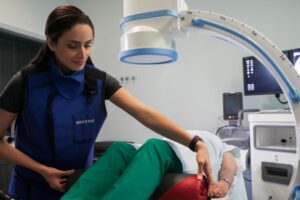
- Dose and Administration Protocols: Experienced clinics have refined protocols on administering the cells safely. They choose appropriate doses (backed by research or trial data) and decide the best route for the patient’s condition. They often start an IV infusion slowly to watch for any reaction or inject a joint with image guidance to ensure accurate placement. During and after treatment, monitoring is done — blood pressure, heart rate, oxygen, and the patient’s symptoms are tracked. Many clinics have patients stay for an observation period after an infusion (say, 30–60 minutes) to confirm no immediate issues before sending them home.
- Emergency Preparedness: Although serious adverse events are rare, reputable clinics are prepared. They have emergency medications and equipment on site — for example, oxygen, epinephrine (in case of a severe allergic reaction), IV fluids, etc. The staff is trained in basic life support. If a patient were to have a severe reaction (like an unexpected anaphylaxis, which again is highly unlikely with UC-MSCs), the team can respond immediately. Knowing this can give patients peace of mind.
- Patient Screening: Before treatment, the medical team conducts a thorough screening. This might involve blood tests (to check for underlying infections or issues), medical history review, and ensuring the patient doesn’t have uncontrolled conditions that might complicate things. For example, if someone has an active infection, a clinic might postpone stem cell therapy until it’s resolved (not because the stem cells are unsafe, but because during an infection, your body is already under stress). If someone has a severe allergy history, they might pre-treat with antihistamines. If a patient is on certain medications, they’ll consider if that affects the therapy. This individualized approach helps reduce the chance of adverse events.
- Clean, Accredited Facility: The environment where treatment is given matters. Clinics prioritizing safety will have a clean infusion area, often like an outpatient surgical center. They follow protocols for sterility — e.g., using sterile drapes and gloves for injections, proper antiseptic on the skin, HEPA filters in procedure rooms if doing spinal injections, etc. They might even have periodic audits or certifications (like ISO standards or national accreditation for healthcare facilities).
- Follow-Up and Reporting: A good clinic doesn’t just treat and forget. It schedules follow-ups to check patients’ progress and any delayed side effects. If a patient has an adverse event, it’s documented and analyzed. In some cases, clinics contribute data to registries or studies to continually update the understanding of safety. This culture of continuous monitoring ensures that if any pattern of issues were to emerge, it would be caught early. Thus far, patterns haven’t shown serious problems with UC-MSCs, reinforcing confidence.
For example, at Z-Lounge Clinic (a hypothetical example of a high-standard provider), their protocols might include having an MD anesthesiologist or emergency physician on standby during high-dose infusions, using hospital-grade sterilization for any equipment, and only treating patients who meet specific inclusion health criteria (to avoid foreseeable complications). They might also educate patients thoroughly: informed consent documents that transparently list possible side effects (from mild fever to the very unlikely severe risks) so patients understand and aren’t caught off guard.
All these measures collectively make the actual risk in practice extremely low. It’s often said that traveling in a car to the clinic is statistically more dangerous than the treatment you receive — an interesting perspective on how low the serious adverse event rate has been.
Finally, even with all these safety nets, patients should be proactive when considering treatment.
Practical Advice for Patients Considering UC-MSC Therapy
If you’re thinking about undergoing umbilical cord MSC therapy, here are some tips and recommendations to keep in mind, drawn from research insights and clinical best practices:
- Do Your Homework on the Provider: Not all stem cell clinics are equal. Research the clinic or hospital offering the therapy. Look for credentials: are the doctors board-certified in relevant specialties? Have they published any case studies or outcomes? A quick online search can also reveal if a clinic has faced any FDA warnings or patient complaints. Opt for providers who are transparent and follow regulations. If you’re considering any clinic, ensure they are known for good practices and not aggressive sales tactics. Avoid places that make wild claims or guarantees (e.g., “cure all diseases” or “100% safe, no risk at all”), as legitimate practitioners will give balanced information and never guarantee a cure.
- Ask About the Cells: As a prospective patient, you have every right to ask: Where do the stem cells come from? A trustworthy clinic will gladly explain that they use UC-MSCs from a certified lab or cord blood bank and may even provide details like how the cells are processed, tested, and shipped. If they evade the question or give a confusing answer, that’s a red flag. Also, ask about the dose and how they determined it — is it based on clinical trial data? If the clinic says, “We give everyone X million cells by IV,” they should have a rationale.
- Discuss Your Health in Depth: Discuss your medical history with the treating physician. Mention all medications, supplements, and ailments. Some patients assume that because stem cell therapy is “natural” or not a drug, their other health issues don’t matter — but they do. For instance, if you’re on immune-suppressing drugs, the doctor might approach the timing differently (maybe pausing a particular medication if safe to do so). If you have a blood clotting disorder, you must inform them before injections. A good provider will conduct a thorough intake; if they don’t, you should insist on covering those bases. It’s for your safety.
- Understand the Procedure and Aftercare: Have the physician or staff walk you through what to expect during and after the treatment. Will you need someone to drive you home? (Often yes, if you’ve had any sedatives or might not feel up to driving after an infusion.) What kind of side effects should you watch for at home? Get a clear list: for example, “Call us if your fever goes above 102°F, or if you have severe pain, or any unusual symptoms.” Knowing the normal vs. warning signs will keep you from either panicking unnecessarily or ignoring something important. Typically, mild fever, temporary pain, or fatigue are normal; high fever, shortness of breath, or severe, persistent pain would warrant a call. Fortunately, the latter are extremely uncommon with stem cell therapy.
- Plan Follow-ups: Make sure there’s a follow-up appointment or call scheduled. Even if you feel fine, a check-in at, say, one week and one month post-treatment is wise. This allows the medical team to document your progress and address any late-onset questions. It’s also good for you psychologically—you won’t feel like you were given the treatment and then left on your own. Continuous care is part of good medicine.
- Manage Expectations: While not a safety tip, realistic expectations can prevent the temptation to seek risky repeat treatments out of desperation. Stem cell therapy is not a guaranteed miracle. Some patients notice dramatic improvements, others modest changes, and some might feel no significant effect. Results can depend on the condition being treated and individual factors. By understanding this, you won’t be inclined to hop from clinic to clinic chasing a cure. Sometimes, unethical providers prey on desperate patients, leading them to undergo too many procedures or combine dubious treatments. Stick with a science-based plan and give it time to see if it’s helping.
- Stay Informed: The field of stem cell therapy is advancing rapidly. New studies come out often. If you’re considering treatment in the future, keep an eye out for updates. The good news is that the safety data has remained consistently positive for UC-MSCs, and many studies are ongoing to prove efficacy for various conditions further. Knowledge is power — understanding the therapy helps you weigh benefits vs. risks.
- Report Your Outcomes: If you go through with therapy, consider sharing your experience in patient forums or with researchers if given the opportunity. This can contribute to the collective knowledge. Many reputable clinics compile anonymous patient data to publish or improve practices. By reporting any side effects or improvements, you’re helping future patients too.
Patient empowerment and provider quality go hand in hand for safety. With due diligence and open communication, you can significantly mitigate risks and optimize the potential benefits of UC-MSC therapy.
In Conclusion, the question “Are there any risks or side effects?” is a vital one, and based on current research, we can answer: Yes, there are some side effects — primarily mild and short-lived — and serious risks are very rare, especially when treatments are done correctly. Umbilical cord MSCs have emerged as a promising tool with an excellent safety profile, as evidenced by numerous peer-reviewed studies showing no significant adverse events aside from transient fevers or local reactions. Long-term concerns like cancer have not materialized in the data we have, and ethical considerations are minimal given the source of the cells.
The key is to pursue therapy through the proper channels — qualified physicians, regulated cell products, and evidence-based protocols. When you do so, you join thousands of patients who have safely received stem cell treatments and often gained improvements in their conditions without serious downside. As always, continue the conversation with your healthcare providers, stay informed, and make the decision that best balances hope with caution. With realistic expectations and proper care, stem cell therapy can be explored as a healing opportunity with confidence in its safety, backed by what the research shows.
Safe travels on your health journey!
Let’s Stay Connected!
If you found this article helpful and want to learn more about regenerative medicine, stem cell therapy, and biohacking for longevity, follow me across platforms:
Website: www.zlounge.com.mx
Instagram: https://tinyurl.com/Z-Lounge-IG
Facebook: https://tinyurl.com/Z-Lounge-FB
YouTube: https://tinyurl.com/Z-Lounge-YT
LinkedIn: https://tinyurl.com/Z-Lounge-Linkedin
Subscribe on Medium to get notified when I publish new content written to empower your health journey.
Sources:
- Ankrum et al. (2014) — Mesenchymal stem cell therapy perspective, noting allogeneic MSC trials have consistently shown safetyncbi.nlm.nih.gov.
- Lalu et al. (2012) — Systematic review/meta-analysis of MSC clinical trials, found no increase in serious adverse events (no toxicity, organ damage, infection, or malignancy) except a higher incidence of transient feverncbi.nlm.nih.gov.
- Ishak-Samrin et al. (2021) — Systematic review of UC-MSC for knee osteoarthritis; reported injections are safe, with the most common side effect being self-resolving local swelling, and no tumors or deaths observed in studiespmc.ncbi.nlm.nih.govpmc.ncbi.nlm.nih.gov.
- Pharmacy Times (2018) — Article explaining the distinction between side effects (secondary, expected effects) and adverse events (unintended, potentially serious outcomes)pharmacytimes.com.
- CNN/CDC News (2018) — Report on infections from contaminated cord blood products at unregulated clinics, highlighting the importance of proper manufacturing to prevent serious adverse eventsncbi.nlm.nih.gov.