by Ramon De La Puerta (Z-Lounge Regenerative Medicine and Stem Cell Therapy Centers)
Umbilical cord mesenchymal stem cell (UC-MSC) therapy is emerging as a versatile treatment that may benefit a range of health conditions common in adults over 45. In simple terms, UC-MSCs are “repair cells” that can reduce inflammation and support tissue healing without harsh side effects. This article will give insight into which conditions might be helped by UC-MSC therapy.
Why UC-MSCs Are Special for Healing
UC-MSCs are stem cells derived from the umbilical cord (typically the Wharton’s jelly), collected after a healthy birth without harming the baby or mother. They are “adult” stem cells that are immunoprivileged — meaning the body usually accepts them without rejection. These cells can transform into various cell types and release beneficial chemicals that fight inflammation and promote repair. Their unique abilities include:
- Homing to Injury: UC-MSCs naturally travel to sites of damage or inflammation in the body and start the repair process.
- Immune Modulation: They calm an overactive immune system, which is helpful in autoimmune diseases (where the body attacks itself).
- Tissue Regeneration: They can become bone, cartilage, or other cell types, helping rebuild injured tissues (like worn-out knee cartilage).
- Anti-Inflammatory Power: UC-MSCs release anti-inflammatory molecules (like IL-10) and reduce inflammatory factors (like TNF-α and IL-1β), easing pain and swelling.
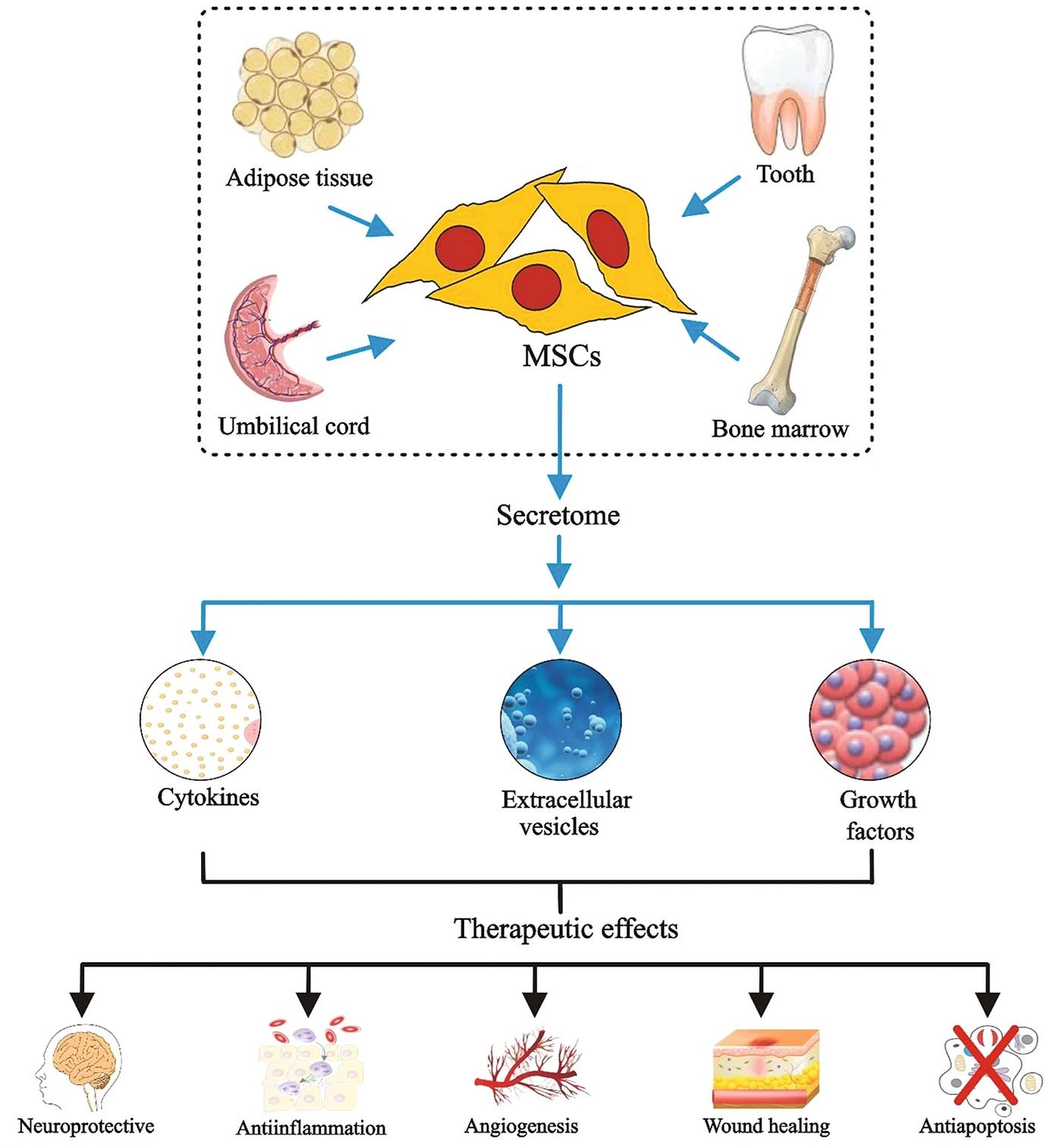
fig. Mesenchymal Stem Cell primary functions
Key Conditions UC-MSC Therapy May Help
Many people over 45 suffer from chronic conditions that involve inflammation, degeneration (wear-and-tear), or immune system problems. UC-MSC therapy shows promise for several such conditions:
Osteoarthritis and Joint Degeneration
For those with osteoarthritis (OA) — the wear-and-tear arthritis common in knees, hips, and hands — UC-MSC therapy offers a non-surgical option for relief. Studies have found that injecting UC-MSCs into arthritic joints can reduce pain and improve function. In a clinical trial with 36 patients with moderate to severe knee arthritis, the UC-MSC treated group had better pain and mobility scores (WOMAC and Lysholm scales) at 6 months compared to controls. Patients reported less joint pain and better daily activity without significant side effects.
How UC-MSCs help joints:
- Reduce inflammation in the joint: UC-MSCs curb the inflammatory cytokines that cause pain and swelling in arthritis.
- Protect and rebuild cartilage: These cells can protect existing cartilage from further breakdown and may even turn into new cartilage cells. One study saw continued cartilage growth on knee MRI 2 years after MSC treatment, suggesting long-term repair.
- Improve mobility: By lessening pain and stiffness, UC-MSC therapy helps people move more freely (climb stairs, walk farther) without the downtime of surgery.
Clinical evidence is growing. In one review, allogeneic (donor-derived) UC-MSC injections in knee OA led to pain relief and functional improvement lasting at least one year. For someone over 45 who is delaying a knee replacement, UC-MSC therapy might buy time or even avoid surgery by improving joint health.
Rheumatoid Arthritis and Autoimmune Disorders
Autoimmune diseases like rheumatoid arthritis (RA), lupus (SLE), and multiple sclerosis (MS) involve the immune system attacking the body’s tissues, leading to inflammation and damage. UC-MSCs are natural immune regulators and have shown encouraging results in easing these conditions:
- Rheumatoid Arthritis (RA): RA causes painful joint inflammation. Traditional drugs broadly suppress the immune system, which can cause side effects. UC-MSC therapy, by contrast, can reset the immune response in RA. A study of 64 RA patients found UC-MSC infusions were safe and significantly reduced inflammatory markers (ESR, CRP, RF) at 1 and 3 years post-treatment. Patients had less joint swelling and pain; some could taper off other medications. Once too stiff to open, one patient’s hands regained mobility and improved even 5 years later. Such cases highlight how UC-MSCs can soothe the immune attack on joints, allowing healing.
- Lupus (SLE): Lupus can affect joints, skin, kidneys, and more. In a multicenter trial on severe lupus, UC-MSC therapy led to disease remission in many patients (symptoms and lab markers improved), although some experienced flares again by 6 months. Notably, the treatment was well-tolerated with no serious adverse effects, offering hope for those not helped by standard drugs.
- Multiple Sclerosis (MS): (We’ll detail neurological conditions in another article, but briefly…) MS patients have seen reduced immune attacks on nerve coatings and even fewer brain lesions after UC-MSC therapy. This suggests a broad application of UC-MSCs in calming autoimmunity and inflammation across different diseases.
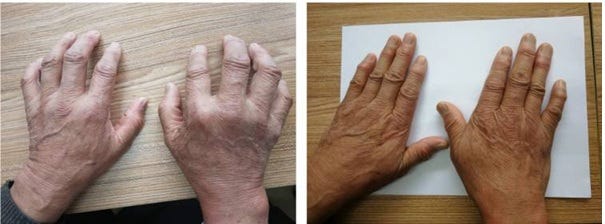
img. “before and after” showing an inflamed rheumatoid hand joint (red, swollen knuckles) and another showing reduced inflammation 3 years after UC-MSC therapy.
Chronic Lung Diseases (COPD and Fibrosis)
Breathing issues like Chronic Obstructive Pulmonary Disease (COPD) become prevalent with age, especially in former smokers. COPD involves inflammation and scarring in the lungs that make breathing difficult. UC-MSC therapy has been used for over a decade in lung conditions, with studies indicating it can:
- Protect lung tissue via anti-inflammatory and anti-fibrotic effects.
- Improve lung function: In some trials, patients treated with UC-MSCs have shown better lung capacity and oxygenation, along with improved quality of life (able to walk farther and perform daily tasks with less shortness of breath).
- Enhanced survival: Preliminary data suggest higher survival rates in severe lung disease patients who received UC-MSC therapy, likely due to reduced lung inflammation.
Dr. Qixin Xie, a leading HUC-MSC researcher, notes that UC-MSCs help in lung diseases by lowering inflammatory factors (like IL-1β, TNF-α) and promoting tissue repair through growth factors. In practical terms, some COPD patients have reported being able to do activities they hadn’t in years — walking to the mailbox or playing with grandkids without needing to stop for breath — after stem cell treatments. While larger studies are underway, UC-MSCs offer a promising avenue to improve lung health when conventional medications are limited.
Heart and Vascular Conditions
Heart disease remains a top concern for people over 45. After a heart attack or in chronic heart failure, the heart muscle is damaged and weak. UC-MSC therapy is being tested to repair and rejuvenate the heart tissue:
- A landmark trial (RIMECARD) in patients with heart failure found that intravenous UC-MSC infusions were safe and improved heart function. By 12 months, the treated patients’ hearts pumped blood more effectively — ejection fraction increased by about 7%, compared to 2% in the placebo group. Patients also moved up to better heart failure classes (less fatigue and shortness of breath in daily life) and reported improved quality of life.
- How it works: UC-MSCs release growth factors like HGF and VEGF that encourage new blood vessel formation and tissue repair in the heart. They also combat fibrosis (scar tissue) and reduce inflammation in the heart muscle. Essentially, they create a more favorable environment for the heart to heal.
- Though research is early, people with peripheral artery disease (poor circulation in legs) or other vascular issues might similarly benefit from the pro-angiogenic (vessel-forming) effects of UC-MSCs.
For someone who has had a heart attack and is facing a weakening heart, UC-MSC therapy could one day become an add-on treatment to improve heart strength and reduce symptoms, beyond standard meds. It’s an active area of research in regenerative cardiology.
Diabetes and Metabolic Disorders
Type 2 diabetes and related conditions (like diabetic kidney disease) are prevalent in the over-45 crowd. High blood sugar over the years can damage the pancreas, blood vessels, eyes, and kidneys. UC-MSCs may help by reducing inflammation and aiding tissue repair in metabolic disorders:
- Diabetes: Early studies show UC-MSCs can migrate to the pancreas and transform into insulin-producing cells in diabetic animals. They also reduce pancreatic inflammation, which over time improves blood sugar control. It may take 6–12 months in patients to see effects, but some have experienced lower fasting glucose and A1C levels and reduced insulin requirements after UC-MSC therapy. (One pilot trial in type 1 diabetes combined UC-MSCs with bone marrow cells and noted improved insulin secretion safety, demonstrating feasibility.)
- Diabetic Complications: UC-MSC treatment has shown promising results in improving diabetic kidney function and vision in those with complications. For example, in small studies, kidney disease patients saw better filtration rates and less protein in urine post-treatment, suggesting the cells helped heal the kidneys’ filtering units.
- Metabolic Syndrome: MSCs’ anti-inflammatory action might mitigate conditions like fatty liver or obesity-related inflammation. By dampening systemic inflammation, UC-MSCs could improve insulin sensitivity and metabolic health (an ongoing research area).
In short, UC-MSC therapy targets the inflammatory component of diabetes. They help regenerate damaged tissues, attacking the disease from a different angle than standard drugs that mainly lower blood sugar.
Neurological Conditions
Neurological issues such as Parkinson’s disease, stroke, and spinal cord injuries have also been on the experimental list for UC-MSC therapy. Because these conditions are complex (We’ll detail neurological conditions in another article). Briefly, UC-MSCs can secrete factors that protect neurons and promote nerve repair, and early trials have shown some functional improvements (e.g., stroke patients regaining abilities, MS patients having fewer lesions). While not yet a mainstream therapy for neuro disorders, UC-MSCs are being actively researched to slow progression or restore function in the nervous system.
Other Conditions
The list of conditions being studied with UC-MSCs keeps growing. A few more examples relevant to older adults:
- Chronic Kidney Disease (CKD): Researchers are testing UC-MSC infusions to slow CKD progression. The goal is to harness MSCs to reduce kidney inflammation and fibrosis, potentially delaying dialysis. Early-phase trials indicate the treatment is safe, and we await efficacy results.
- Autoimmune conditions like systemic sclerosis or Crohn’s disease: Given UC-MSCs’ immune-calming effects, they are being tried in various autoimmune diseases. Some severe cases of Crohn’s (inflammatory bowel disease) have gone into remission with MSC therapy, and MSCs are approved in some regions for treating complications like fistulas.
- Frailty and Age-related Decline: Fascinating research in very elderly, frail individuals found that a dose of UC-MSCs given IV was safe and led to better physical performance and lower inflammatory markers compared to placebo. This hints that UC-MSCs might someday be used to boost overall vitality in older adults, improving strength and stamina by counteracting the chronic inflammation of aging.
A Look Ahead
UC-MSC therapy is not a magical cure-all but represents a new branch of medicine — regenerative therapy — that aims to heal rather than just manage symptoms. For people over 45 dealing with chronic conditions, this is an exciting development. Already, clinical evidence suggests benefits in arthritis relief, autoimmune disease control, and improved organ function. As research continues, UC-MSC treatments may become more accessible and tailored to specific conditions.
Always consult with a knowledgeable medical professional before pursuing stem cell therapy. Many of these applications are in clinical trial phases or offered at specialized centers. Having realistic expectations is important: improvements can range from modest to significant, and results vary by individual.
However, the growing success stories and research findings make one thing clear — Stem Cell therapy is a promising ally for many aging conditions, offering hope for better health and quality of life without invasive procedures.
Let’s Stay Connected!
If you found this article helpful and want to learn more about regenerative medicine, stem cell therapy, and biohacking for longevity, follow me across platforms:
Website: www.zlounge.com.mx
Instagram: https://tinyurl.com/Z-Lounge-IG
Facebook: https://tinyurl.com/Z-Lounge-FB
YouTube: https://tinyurl.com/Z-Lounge-YT
LinkedIn: https://tinyurl.com/Z-Lounge-Linkedin
Subscribe on Medium to get notified when I publish new content written to empower your health journey.
Bibliography:
- Bartolucci, J., Verdugo, F. J., González, P. L., et al. (2017). Safety and efficacy of the intravenous infusion of umbilical cord mesenchymal stem cells in patients with heart failure. Circulation Research, 121(10), 1192–1204.
- Huang, S., Wang, L., Li, M., et al. (2019). Efficacy and safety of umbilical cord mesenchymal stem cell therapy for rheumatoid arthritis patients: A prospective Phase I/II study. Drug Design, Development and Therapy, 13, 4331–4340.
- Li, Y. L., Chen, E. G., & Ren, B. B. (2025). Umbilical cord-derived mesenchymal stromal cells: Promising therapy for heart failure. World Journal of Cardiology, 17(1), 101–113. wjgnet.com
- Nagamura-Inoue, T., & He, H. (2014). Umbilical cord-derived mesenchymal stem cells: Their advantages and potential clinical utility. World Journal of Stem Cells, 6(2), 195–202.
- Riordan, N. H., et al. (2018). Clinical feasibility of umbilical cord tissue-derived mesenchymal stem cells in the treatment of multiple sclerosis. Journal of Translational Medicine, 16(1), 57. multiplesclerosisnewstoday.com, multiplesclerosisnewstoday.com
- Xie, Q., et al. (2020). Human umbilical cord MSCs in lung diseases: From pre-clinical to clinical studies. (Research summary in Innate Healthcare Institute blog)
- DVC Stem. (2021). Patient Testimonials and Outcomes. (Compilation of patient-reported improvements in arthritis, COPD, and other conditions).
- Innate Healthcare Institute. (n.d.). Potential Treatments for Human Umbilical Cord MSC Therapy. (Blog article summarizing mechanisms and conditions treated).
- Medical News Today. (2016, Feb 25). Stem cell therapy: is the US missing a trick? (Discusses Americans traveling for stem cell treatments and conditions treated abroad) medicalnewstoday.com